Understanding the Science of Caramelization and Browning

Have you ever wondered why the aroma of freshly baked bread or a perfectly seared steak is so enticing? Or why the golden brown color of caramelized sugar is so appealing? The answer lies in a process known as caramelization and browning, which not only adds flavor and color to our food but also plays a key role in the chemistry of cooking. In this article, we will explore the science behind caramelization and browning, and how understanding this process can elevate your cooking to the next level.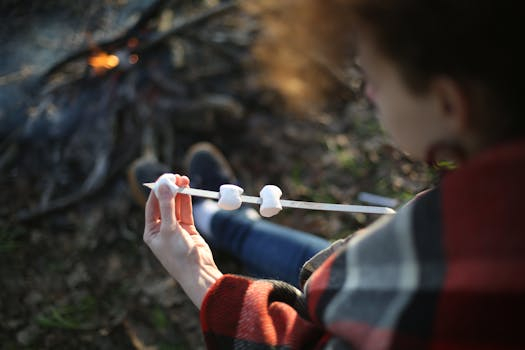
What is Caramelization and Browning?
At its simplest, caramelization is the browning of sugars, while browning refers to the overall process of Maillard reaction, which involves the combination of sugars and amino acids in food. When heat is applied to sugars, the molecules break down and recombine into various compounds, producing a range of flavors and aromas. The result is a complex and characteristic taste that is not present in the original ingredients.
The Maillard Reaction
Caramelization is just one part of the Maillard reaction, a chemical process that occurs when proteins and sugars are exposed to high heat. This reaction was first discovered by French chemist Louis-Camille Maillard in the early 1900s and has since been studied extensively by food scientists. In addition to caramelization, the Maillard reaction also produces a wide range of flavorful compounds, such as aldehydes, ketones, and pyrazines.
Factors Affecting Caramelization and Browning
Several factors can affect the speed and intensity of the Maillard reaction during cooking. These include temperature, cooking time, pH level, and the type of food being cooked. For example, higher temperatures will speed up the Maillard reaction, while lower pH levels (more acidic) will slow it down. The type of sugar and protein present also plays a role in the flavors produced. For example, fructose produces more intense caramel flavors than glucose.
The Role of Water
Water is also crucial in the caramelization and browning process. Adding moisture to the food can slow down the Maillard reaction, as it lowers the temperature at which the reaction can occur. On the other hand, removing water can speed up the process. This is why food often browns more quickly after being dried, as seen in the case of foods like dried fruit or bacon.
The Importance of Heat Distribution
In order for caramelization and browning to occur evenly, heat distribution is crucial. Uneven heat distribution can result in uneven browning and affect the overall flavors of the food. This is why it’s important to preheat pans and ensure that food is cooked evenly on all sides.
Tips for Achieving Perfect Caramelization and Browning
Now that we understand the science behind caramelization and browning, here are a few tips to help you achieve the perfect results:
Use the right type of sugar:
As mentioned earlier, different sugars will produce different flavors, so choose the right one for the desired outcome. For example, brown sugar will produce a richer and more molasses flavor, while white sugar will create a sweeter and lighter flavor.
Make sure the pan is hot:
To achieve even browning, make sure your pan is heated to the correct temperature before adding food. This will ensure that the Maillard reaction occurs quickly and evenly.
Don’t overcrowd the pan:
Crowding the pan with too much food can cause it to steam instead of brown, so make sure to leave enough space between food items to allow for proper heat distribution.
Pay attention to water content:
As mentioned earlier, water can have a significant impact on the Maillard reaction. Adding a splash of water to the pan can help slow down the process if things are browning too quickly. On the other hand, removing water through draining or drying out food can speed up the process.
Conclusion
Caramelization and browning play an essential role in the chemistry of cooking and are responsible for many of the delicious flavors and aromas we love. By understanding the science behind this process, you can take your cooking skills to the next level and achieve perfect caramelization and browning every time. So next time you’re in the kitchen, pay attention to the color and aroma of your food and remember the magic of the Maillard reaction at play.