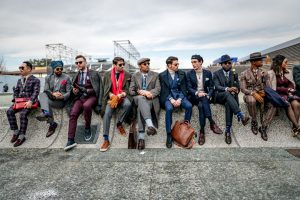
The Significance of Fashion in Portraying Gender Roles

Fashion has always been an essential aspect of our society, providing us with a way to express ourselves and our identities. Through the years, fashion has evolved and adapted to reflect societal changes, including shifts in gender roles. The way we present ourselves through fashion can often be a reflection of how society views and assigns gender roles. In this article, we will delve into the significance of fashion in portraying gender roles and how it has evolved over time.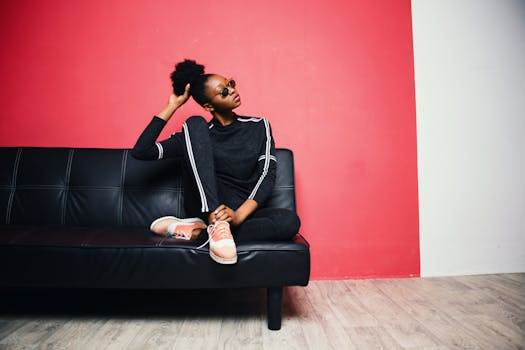
The Role of Fashion in Defining Gender Roles
Fashion has been used as a way to distinguish between genders for centuries. In ancient civilizations, clothing styles were heavily dictated by gender, with men and women having distinct garments and accessories. However, these gender binaries have become increasingly blurred in modern times, with fashion playing a crucial role in challenging societal norms and expectations.
The Binary Divide: Masculine vs Feminine
The concept of what is considered masculine and feminine has been ingrained in our society, and fashion has often been used to reinforce these notions. Historically, women were expected to dress in a feminine manner, with soft and delicate fabrics, while men were encouraged to dress in a more masculine, structured and functional manner.
In recent years, however, there has been a shift towards more gender-neutral fashion, with brands and designers breaking away from the traditional gender expectations in clothing. This has resulted in more androgynous styles and non-binary clothing, challenging the binary divide between masculine and feminine.
Social and Cultural Influence
Aside from influencing gender roles, fashion also reflects the societal and cultural views of gender. This can be seen in the use of certain colors, fabrics, and styles associated with a particular gender. For example, the color pink is often associated with femininity, while blue symbolizes masculinity.
However, fashion has also proved to be a powerful tool in challenging societal norms and creating a more inclusive society. The rise of gender-neutral and unisex clothing not only challenges traditional gender roles but also encourages acceptance and celebration of different gender identities.
The Evolution of Fashion and Gender Roles
The portrayal of gender roles through fashion has seen a significant shift over the years. In the early 20th century, women’s fashion was restricted to long skirts and corsets, while men’s fashion was characterized by suits and ties. This reflected the societal expectation of women as homemakers and men as breadwinners.
As women’s rights movements gained momentum, fashion became a medium for women to rebel against traditional gender roles. The 1920s saw the rise of the “flapper” style, with women donning the once-taboo cropped hair and sporting shorter hemlines. In the 1960s, the women’s liberation movement saw a surge in more androgynous styles, with women wearing pantsuits and adopting traditionally “masculine” clothing.
Today, fashion has become more fluid, with more and more brands rejecting traditional gender norms and embracing inclusivity. This is evident in the rise of gender-neutral clothing lines, as well as the use of models of different gender identities on the runway and in advertising campaigns.
Fashion and Gender Identity
For many individuals, fashion is a powerful tool for expressing their gender identity. Transgender and non-binary individuals often struggle to find clothing that aligns with their gender identity, as most traditional fashion tends to cater to binary norms.
However, fashion has become more diverse and inclusive in recent years, with many brands and designers creating clothing lines specifically for the transgender and non-binary community. This not only provides options for those struggling to find clothing that aligns with their identity but also helps break down the societal stigma around gender identity.
The Impact of Fashion on Society
The significance of fashion in portraying gender roles cannot be overlooked. It not only reflects societal views of gender but also has the power to challenge and redefine these norms. Fashion has played a crucial role in creating a more inclusive society, where individuals are free to express themselves regardless of their gender identity.
In Conclusion
Fashion and gender roles have a complex relationship, with fashion not only being a reflection of societal norms but also influencing and challenging them. As fashion continues to evolve and break away from binary expectations, we can hope to see a more inclusive and accepting society where individuals are free to express themselves without the constraints of traditional gender roles.