Understanding the Nuances of Different Cultural Music Scales

Music is a universal language that transcends cultural boundaries and connects people from all walks of life. However, within this universal language, there are distinct nuances and variations that reflect the unique cultures and traditions of different communities. One of the most distinct and fascinating aspects of music is the different cultural music scales that exist around the world. These scales not only represent an important part of a culture’s musical traditions, but also offer a deeper understanding of the cultural background and values of a particular group of people. In this article, we will delve into the intricacies of different cultural music scales and explore how they contribute to the richness and diversity of music.
What are Music Scales?
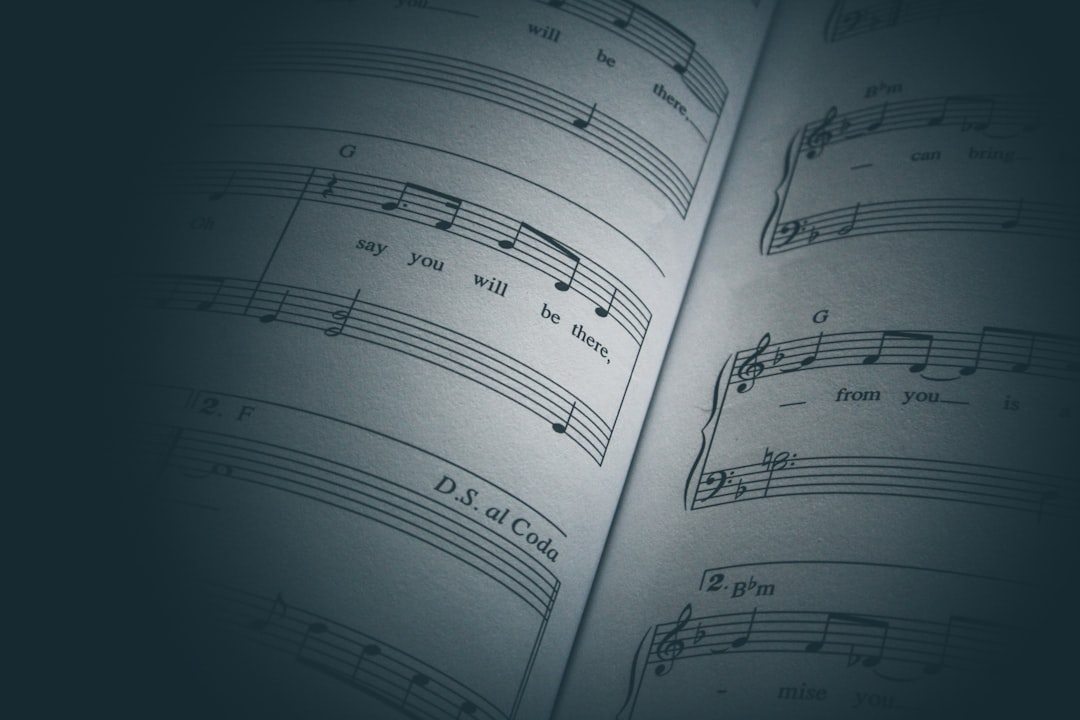
Before we dive into the nuances of different cultural music scales, let’s first understand what exactly a music scale is. In its simplest form, a music scale is a series of notes arranged in a particular order that determines the pitch and tonality of a musical piece. In other words, it is a set of musical notes that form the foundation of a melody. These scales can be major or minor, based on the intervals between the notes and the corresponding emotional effect they have on the listener.
The Importance of Music Scales in Different Cultures
Across the world, music has been used as a means of communication and expression since ancient times. As different cultures developed their own unique musical styles, they also created their own set of scales that were reflective of their customs, beliefs, and emotions. These diverse music scales have become an integral part of a culture’s identity, with their own distinct characteristics and purposes. For instance, Western music predominantly uses major and minor scales, while Indian classical music uses the pentatonic scale, and Middle Eastern music often features the maqamat scales.
Different Cultural Music Scales: An Exploration
The Major Scale
The major scale is the most commonly used music scale in Western music and is characterized by a series of seven notes in ascending order. It is often associated with feelings of happiness, joy, and triumph, making it perfect for celebratory or upbeat songs. The major scale is versatile and can be found in various styles of music, including pop, rock, and jazz.
The Minor Scale
In contrast to the major scale, the minor scale is characterized by a more somber and melancholic sound. It is often used to convey sadness, longing, and even fear in music. The minor scale has several variations, such as the natural minor, harmonic minor, and melodic minor, each with its own unique set of intervals and tonality. This scale is commonly used in blues, classical, and folk music traditions.
The Pentatonic Scale
The pentatonic scale is a five-note scale that is frequently used in traditional Chinese, Japanese, and African music. It is characterized by its simple yet powerful sound and is often used to accompany melodies and vocals. This scale is incredibly versatile and can blend seamlessly with other scales, making it a popular choice in modern music as well.
The Maqamat Scales
The maqamat scales are a group of scales used in Middle Eastern music and are characterized by their complex and intricate structure. They consist of a series of notes that vary in pitch and are used to evoke a range of emotions, from happiness to sadness and even awe. The maqamat scales are a significant part of traditional Middle Eastern music, including genres such as Arabic, Turkish, and Persian music.
The Influence of Cultural Music Scales on Modern Music
As the world becomes more connected, so does music. In recent years, there has been a growing trend of incorporating cultural music scales into modern music. This fusion not only adds a unique flavor to the music but also highlights the diversity and richness of different cultures. Artists such as Beyonce, Beyonce’s “Adore You” and “Perfect” by Ed Sheeran featuring Beyonce have incorporated elements of Indian and African music scales, respectively, in their songs, bringing these cultural influences into the mainstream music scene.
Appreciating the Nuances of Different Cultural Music Scales
It is no doubt that music scales play a significant role in defining the musical identity of a culture. Each cultural music scale has its own distinct qualities, techniques, and purposes, which make them unique and special. By understanding and appreciating the nuances of these diverse scales, we not only gain a deeper understanding of a culture’s musical heritage but also embrace the beauty of diversity in our world.
In Conclusion
Music scales may seem like technicalities in music, but they hold a crucial role in shaping and defining a culture’s musical landscape. Whether it’s the major and minor scales in Western music or the maqamat scales in Middle Eastern music, each scale carries the weight and depth of its cultural heritage. By exploring and appreciating these cultural music scales, we can gain a deeper understanding and appreciation for the diverse musical traditions that exist in our world.