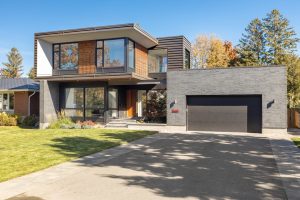
Developing an Appreciation for Different Housing Typologies

Housing typologies refer to the different styles and forms of housing that exist in our communities. From single-family homes to high-rise apartments, each typology serves a different purpose and caters to a specific demographic. As the world continues to evolve, so do our housing needs. It is essential to develop an appreciation for the diverse housing typologies that exist to understand their significance in promoting sustainability and diversity in our communities. In this article, we will delve into the concept of housing typologies and explore why it is essential to develop an appreciation for them.
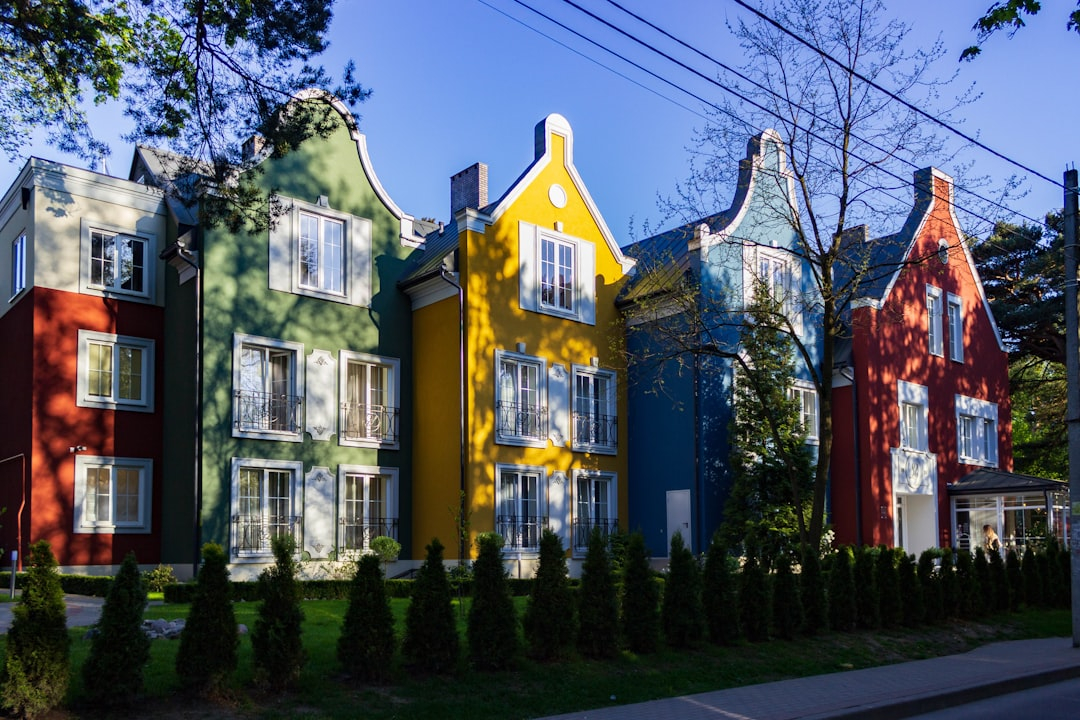
Diversity in Housing Typologies
When we think of housing, our minds often go to the conventional single-family home. However, there are various housing typologies, each with its unique features and benefits. These typologies include single-family homes, townhouses, apartments, duplexes, and more. Each typology serves a different purpose and offers diverse living options for individuals and families. This diversity in housing typologies promotes inclusivity and caters to a wide range of needs and preferences.
Apart from catering to diverse needs, housing typologies also provide economic benefits. For instance, apartments are affordable options for young professionals or individuals living in urban areas, whereas single-family homes cater to larger families or those looking for more privacy and space. This diversity also promotes social and economic integration by bringing people from different backgrounds together, creating vibrant and diverse communities.
Sustainability in Housing Typologies
Developing an appreciation for different housing typologies also promotes sustainability in our communities. As our population continues to grow, the demand for housing increases, putting immense pressure on our resources. By embracing a variety of housing typologies, we can utilize our land and resources more efficiently. For instance, high-density apartment buildings take up less land compared to single-family homes, leaving more open space for parks and recreation areas.
Housing typologies also play a significant role in promoting environmental sustainability. With the rise of eco-friendly building designs, we can see a shift towards more sustainable housing typologies such as green homes, tiny homes, and passive houses. These typologies incorporate sustainable features like energy-efficient systems, green roofs, and water-saving fixtures, reducing our carbon footprint and promoting a greener way of living.
Promoting Cultural Appreciation
Aside from the practical and economic benefits, housing typologies also reflect the diversity and cultural values of a community. In many cities, we can see a mix of traditional and modern housing typologies, showcasing the various cultural influences that have shaped the community. By developing an appreciation for these typologies, we can celebrate the diversity in our communities and respect the cultural values of others.
In addition, some housing typologies, like co-housing, promote a sense of community living, where individuals share common spaces and amenities. This type of living promotes socialization, encourages a sense of belonging, and fosters a stronger sense of community. By embracing diverse housing typologies, we can create inclusive and integrated communities where people from different backgrounds can come together and thrive.
Conclusion
Housing typologies play a pivotal role in shaping our communities and fulfilling our housing needs. By developing an appreciation for the diversity in housing typologies, we can promote sustainability, diversity, and inclusivity in our communities. Moreover, it is crucial to acknowledge and celebrate the cultural values and influences reflected in different housing typologies. As the world continues to evolve, so must our housing options, and embracing diverse housing typologies is key to creating vibrant, sustainable, and inclusive communities.
So, next time you come across a unique or unfamiliar housing typology, take a moment to appreciate its significance and the role it plays in shaping our communities. Let’s embrace the diversity in housing typologies and work towards creating a more sustainable and inclusive world.