Mastering the Art of Making Delicious Homemade Bread

Welcome to the world of homemade bread! Nothing beats the aroma of freshly baked bread wafting through your home. Baking bread at home not only fills your home with a comforting and inviting smell, but it also allows you to experiment with different flavors and combinations. Whether you’re new to bread-making or an experienced baker, there’s always room to improve and elevate your skills. In this article, we’ll dive into the art of making delicious homemade bread and share tips and techniques to master the craft. Prepare to impress your family and friends with your bread-making skills!
Why Bake Homemade Bread?
Before we get into the details, let’s talk about why you should consider baking your own bread at home. First and foremost, it allows you to have complete control over the ingredients used in the bread. You can choose to use organic, whole-grain, or gluten-free flours, and you can also add in your favorite herbs, nuts, and seeds for added flavor and nutrition. This way, you can avoid any processed or artificial additives commonly found in store-bought bread.
Baking homemade bread is also a great way to save money in the long run. The cost of ingredients for making a loaf of bread is usually much lower than buying a loaf from the store. Plus, baking your own bread is a great way to reduce packaging waste and have a more sustainable lifestyle.
The Basic Ingredients for Homemade Bread
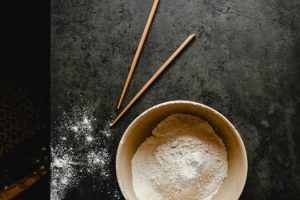
While there are countless bread recipes out there, the basic ingredients for making bread remain the same. They are flour, water, yeast, and salt. However, it’s the ratio and quality of these ingredients that make all the difference in the final product.
Flour
When it comes to flour, it’s essential to choose the right kind for the type of bread you’re planning to bake. All-purpose flour works well for most bread recipes, but you can also use bread flour for a chewier texture. If you’re looking for a healthier option, you can use whole-wheat, rye, or spelt flour. These flours have more nutrients and a nuttier flavor profile.
Yeast
Yeast is responsible for the rise and leavening of bread. There are different types of yeast available, but the most commonly used ones are active dry yeast and instant yeast. Active dry yeast needs to be activated in warm water before use, while instant yeast can be added directly to the flour. Make sure to follow the instructions on the package to use the correct type of yeast for your recipe.
Salt
Salt not only adds flavor but also helps to control the fermentation process of the dough. It’s crucial not to skimp on salt when making bread, as it can greatly affect the taste and texture of the final product. If you’re watching your salt intake, you can reduce the amount used in the recipe, but never omit it completely.
Important Techniques to Master
Now that we’ve covered the basic ingredients let’s dive into some essential techniques that will help you master the art of making homemade bread.
The Kneading Process
Kneading is a crucial step in bread-making, as it develops the gluten in the flour and creates a smooth and elastic dough. Kneading can be done by hand, or you can use a stand mixer with a dough hook. You can tell when the dough is ready by performing the “windowpane test.” Take a small piece of dough and stretch it between your fingers. If it forms a thin, translucent sheet without tearing, it’s ready.
The Proofing Process
Proofing is the process of allowing the dough to rise after kneading. This step is important as it helps the dough to develop its flavor and texture. After kneading, place the dough in a greased bowl, cover it with plastic wrap, and let it rise in a warm, draft-free place for about an hour. The dough should double in size before moving onto the next step.
Baking Techniques
The baking process can also greatly affect the outcome of your bread. Preheating your oven is crucial, as the initial blast of heat helps the bread to rise and form a crispy outer crust. Using steam during the first few minutes of baking also helps to add moisture to the crust and create a better rise. You can achieve this by placing a pan of hot water on the lower rack of your oven or by spraying water into the oven using a water bottle.
Experiment with Different Recipes and Techniques
The best way to perfect your bread-making skills is to experiment with different recipes and techniques. Don’t be afraid to try new flavors or add in different mix-ins like dried fruit, cheese, or herbs. You can also try shaping the dough into different forms, such as a braid, a baguette, or even a pull-apart loaf. The more you practice, the better you’ll become at understanding the feel and texture of the dough and adjusting the ingredients and techniques accordingly.
In conclusion, mastering the art of making delicious homemade bread takes time and practice. With the right ingredients, techniques, and experimentation, you can create your own unique and delicious loaves. Not only will you have a better understanding and appreciation for the bread-making process, but you’ll also have a delicious and healthy bread to enjoy with your loved ones. Happy baking!