Understanding the Difference Between Knit and Woven Fabrics

Fabrics are an essential part of our daily lives, from the clothes we wear to the furniture we use. However, not all fabrics are created equal. There are different types of fabric, each with its unique characteristics and uses. Among these, knit and woven fabrics are two widely used types that sometimes get confused with each other. While both are made from yarns, they have significant differences that make them suitable for different purposes. In this article, we will dive into the difference between knit and woven fabrics, from their production process to their uses, to help you understand which fabric is best suited for your needs.
The Production Process
Knit Fabrics
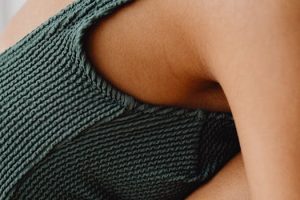
Knit fabrics are created by interlocking loops of yarn using knitting machines or hand knitting needles. The yarn is fed into the machine, and needles move horizontally to create one continuous row of loops. These loops are then connected to form a stretchy and flexible fabric. Common types of knit fabrics include jersey, interlock, rib, and sweater knit, among others. Knit fabrics are known for their elasticity and drape, making them perfect for garments that require stretch, such as t-shirts, leggings, and socks.
Woven Fabrics
On the other hand, woven fabrics are created by interlacing two sets of yarns perpendicularly at right angles. Horizontal yarns, known as the weft, are woven over and under the vertical yarns, known as the warp. Different types of weaves, such as plain, twill, and satin, can be used to create different woven fabrics, each with its unique characteristics. Woven fabrics are known for their strength and durability, making them ideal for items that require stability, such as jeans, bed sheets, and curtains.
The Characteristics
Knit Fabrics
Knit fabrics have a soft and smooth texture due to the looped yarns, making them comfortable to wear. They also have excellent elasticity, which allows them to stretch and return to their original shape. This elasticity makes knit fabrics ideal for body-hugging garments. However, this same property also means that knit fabrics can lose their shape over time, especially if stretched beyond their limit. Knit fabrics are also more prone to snags and runs, which can be an issue for delicate garments like sweaters.
Woven Fabrics
As mentioned earlier, woven fabrics are known for their strength and durability. They are tightly woven, making them resistant to pulls and tears. Woven fabrics have a firm, structured feel, unlike the stretchy nature of knit fabrics. This makes them perfect for tailored garments and home decor items. However, the stiffness of woven fabrics can also make them less comfortable, especially when used for clothing. They are also not as breathable as knit fabrics and may feel heavy and restrictive on the body.
The Uses
Knit Fabrics
Knit fabrics are primarily used for making comfortable and stretchy garments. They are a popular choice for activewear, loungewear, and undergarments. The stretchiness of knit fabrics makes them suitable for clothing that requires a snug fit, such as yoga pants and sports bras. They are also used for creating everyday items like t-shirts, dresses, and socks due to their softness and drape. In recent years, knit fabrics have also been popularized in home decor, with the use of knit throws, pillows, and curtains.
Woven Fabrics
Woven fabrics, with their sturdiness and structured feel, are often used for tailored garments such as suits, blazers, and dress shirts. The strength of woven fabrics also makes them ideal for creating bags, backpacks, and shoes. In home decor, woven fabrics are used for items that require stability and durability, such as upholstery, bed sheets, and curtains. They are also a popular choice for DIY projects like quilts and wall hangings.
In conclusion, while both knit and woven fabrics are made from yarns, they have significant differences in their production process, characteristics, and uses. Knit fabrics are elastic, soft, and best suited for comfortable, body-hugging garments, while woven fabrics are strong, durable, and ideal for tailored items and home decor pieces. Understanding the difference between these fabrics can help you make informed decisions when purchasing or creating items, ensuring that they serve their intended purpose effectively.